
Stock, Semi-Custom, or Full Custom Cabinets: What the Price Difference Actually Buys You
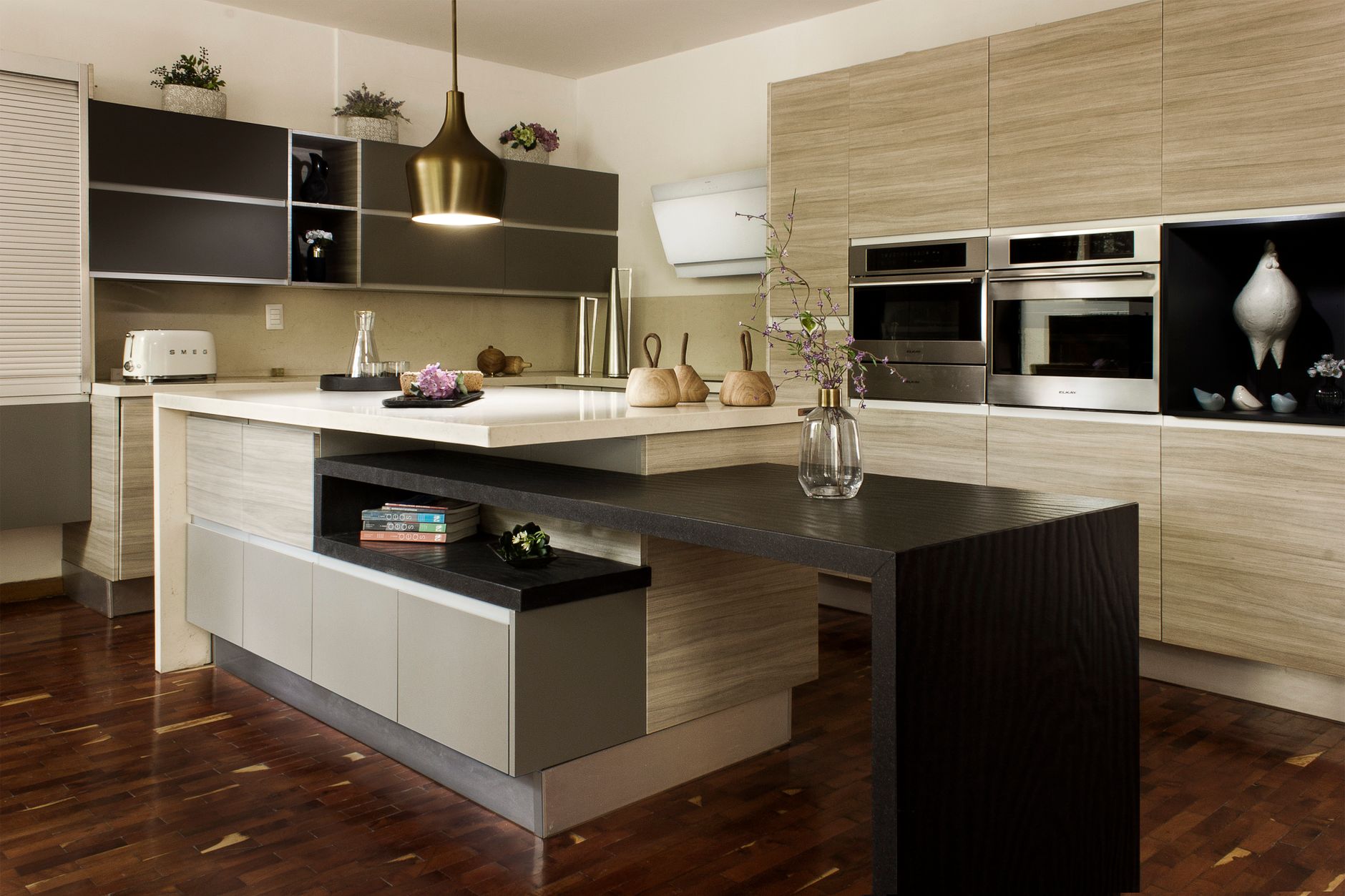
Every kitchen renovation eventually runs into the same fork in the road: stock cabinets, semi-custom, or fully custom. The price gap between them can be enormous, and most homeowners have only a fuzzy idea of what that gap actually pays for. It's not simply "better quality" in some vague sense — each tier represents a genuinely different manufacturing process, and understanding the difference is the single most useful thing you can know before signing a contract. Shops like https://zurekwoodworking.com build at the full-custom end of that spectrum, which makes them a useful reference point for understanding exactly what separates the three categories.
Stock Cabinets: Built for the Average Kitchen, Not Yours
Stock cabinets are manufactured in bulk, in fixed sizes, and sold through big-box retailers and cabinet warehouses. They're the least expensive option by a wide margin, and for the right project, that's a perfectly reasonable trade.
What defines stock cabinetry:
- Fixed sizing in standard increments — typically 3-inch width increments — meaning your kitchen gets designed around the cabinets, not the other way around.
- Limited door styles and finishes, usually a handful of options rather than a full range of species, stains, and profiles.
- Fast turnaround, often available within days since they're pulled from existing warehouse inventory.
- The lowest price point, making stock cabinets a common choice for rental properties, quick flips, or budget-conscious first renovations.
The tradeoff is filler panels and awkward gaps wherever your kitchen's actual dimensions don't match the fixed sizing — a familiar sight in budget kitchen renovations, where a few inches of blank panel sits beside the refrigerator or above the sink.
Semi-Custom Cabinets: More Choices, Same Fixed Framework
Semi-custom sits in the middle, and it's where most mid-range kitchen renovations actually land. It offers meaningfully more flexibility than stock, without the cost or lead time of a fully custom build.
What typically changes at the semi-custom level:
- Width adjustments in smaller increments — often down to a single inch — giving a noticeably better fit than stock's larger jumps.
- A wider range of door styles, wood species, and finish options, letting homeowners get closer to a specific aesthetic rather than choosing from a short list.
- Modification options like added trim pieces, specialty storage inserts, or adjusted cabinet depths for specific appliances.
- Longer lead times than stock, since semi-custom orders are built to order rather than pulled from a warehouse — typically several weeks rather than days.
Semi-custom cabinets are still built on standardized manufacturing lines, though, which means there's a ceiling on how far the customization can go before you hit the limits of what the factory's system can produce.
Full Custom: Built Around Your Kitchen, Not a Catalog
Full custom cabinetry removes the fixed framework entirely. Instead of choosing from a menu of pre-engineered options, every dimension, joint, and detail is designed and built specifically for your space, from scratch.
What separates full custom work:
- Dimensions built to the exact measurements of your kitchen, down to the fraction of an inch, with zero filler panels or awkward gaps.
- Unlimited door styles, wood species, and finish combinations, since nothing is constrained by a factory's pre-set catalog.
- The ability to solve unusual layout problems — an odd angle, a low ceiling, a support beam in an inconvenient spot — that standardized cabinetry simply can't accommodate gracefully.
- Joinery and construction methods chosen for the specific application, rather than whatever a factory's automated production line is set up to produce.
- Direct collaboration with the person actually building the cabinets, in most true custom shops, rather than working through a sales rep relaying requests to an unseen factory.
The tradeoff is cost and lead time — full custom work typically costs more per linear foot than semi-custom, and takes longer to design, build, and install. For a kitchen with an unusual layout, or for homeowners who want a genuinely specific result rather than the closest available catalog match, that tradeoff is usually worth it.
How to Decide Which Tier Actually Fits Your Project
A few questions help clarify which category makes sense for a given renovation:
- Does your kitchen have a standard, rectangular layout with common dimensions? If so, semi-custom or even stock cabinetry may deliver a perfectly good result at a lower cost.
- Are there unusual angles, ceiling heights, or structural obstacles? These are exactly the situations where full custom construction earns its higher price — standardized cabinetry struggles with anything outside its pre-engineered range.
- How particular are you about the exact finish and door style? If you have a specific vision that doesn't match what's available in a semi-custom catalog, full custom removes that constraint entirely.
- What's your timeline? Stock cabinets can be installed almost immediately; full custom work requires the longest lead time of the three options.
None of the three tiers is objectively "better" — they're different tools suited to different projects and budgets. The mistake is paying full-custom prices for a project that didn't need it, or settling for stock cabinetry in a kitchen with layout problems that only custom construction can actually solve.
Questions Worth Asking Before You Commit
Regardless of which tier you're considering, a few questions clarify exactly what you're paying for:
- Is this genuinely custom, or semi-custom marketed as "custom"? The word gets used loosely in the industry — ask specifically whether dimensions are built to your exact measurements or selected from a modified standard range.
- Who builds the cabinets — an in-house shop, or an outside factory? This affects both lead time and how much flexibility exists to make changes mid-project.
- What's the realistic lead time for your specific project? Get a clear answer rather than a general estimate, especially for full custom work.
A shop like https://zurekwoodworking.com that builds fully custom cabinetry in-house can typically answer these questions immediately and specifically, since there's no factory or outside supplier standing between the design conversation and the finished product.
Final Thoughts
The difference between stock, semi-custom, and full custom cabinetry isn't just a matter of price — it's a difference in how much the cabinetry is built around your specific kitchen versus how much your kitchen has to adapt to the cabinetry. Understanding which category actually fits your project, rather than defaulting to whichever a showroom pushes hardest, is the difference between a renovation that solves your kitchen's real problems and one that just replaces old cabinets with newer versions of the same compromises.